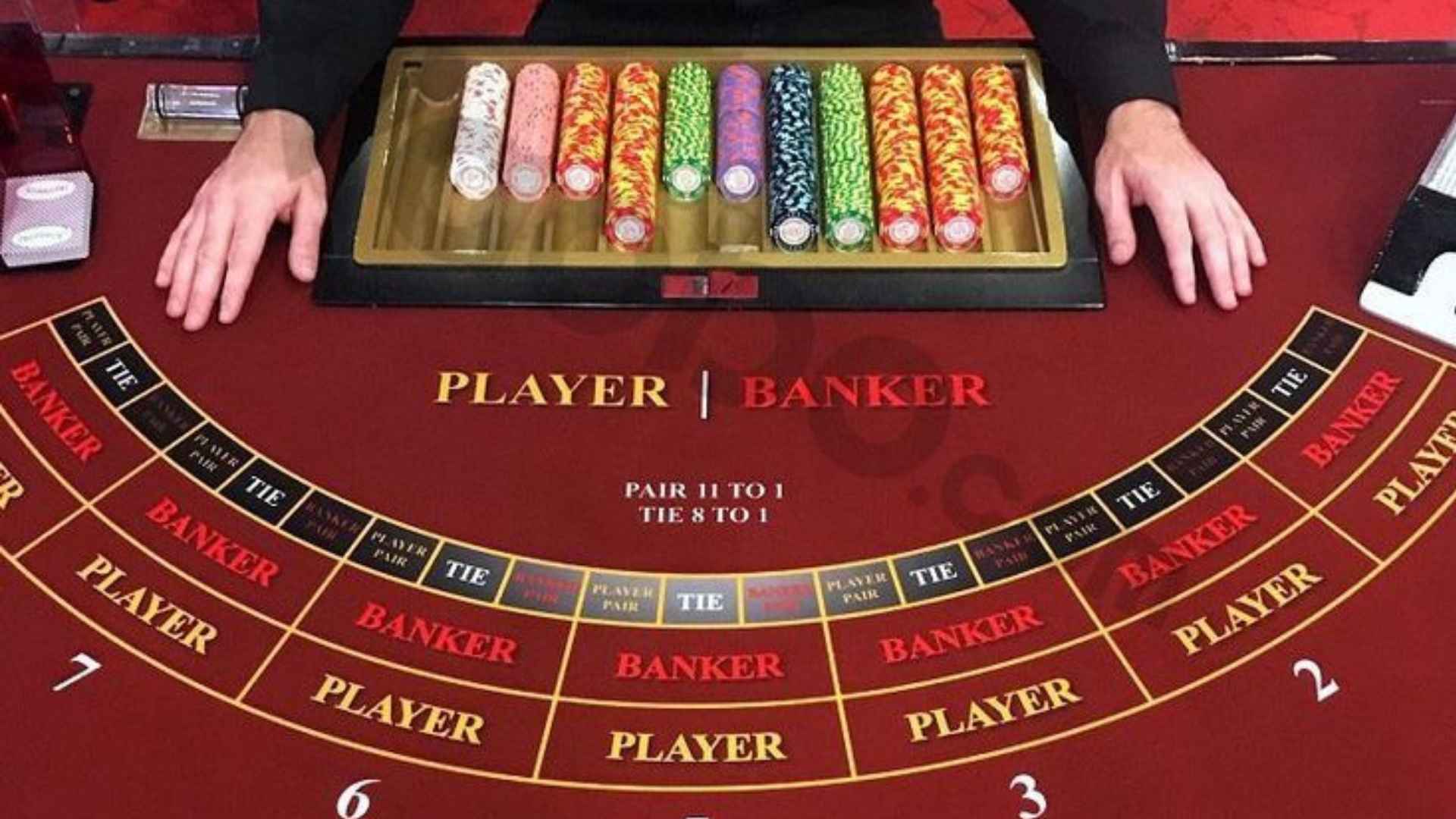
The journey of casino gaming from elite gatherings to democratic digital entertainment highlights an extraordinary cultural transformation. Centuries ago, tactical card games and structured wagering systems served as exclusive pastimes for high-society intellectuals. Exploring this transition reveals how regional customs and structural table design laid the foundational groundwork for today's global casino industry.
The Refined Sociability of Enlightenment Spaces
In eighteenth-century France, private aristocratic salons provided a vital cultural center for philosophy, art, and competitive card play. These gatherings prioritized intimate interactions and strict codes of etiquette over rapid financial outcomes. Participants engaged in community-driven variants where institutional corporate houses did not exist to manage the stakes.
Instead of playing against a fixed commercial entity, wealthy peers shared the table risks by taking turns funding the bankroll. This participatory setup transformed every round into a profound social ritual governed by mutual accountability and quiet observation. The emphasis remained entirely on human strategy and personal decision-making within an exclusive social circle.
The Migration to Structured Commercial Houses
As regulatory landscapes shifted across nineteenth-century Europe, informal salon games gradually transitioned into permanent public facilities. Traditional gambling houses began standardizing layout configurations to accommodate larger crowds and improve operational efficiency. This shift altered the psychological environment of the table by introducing professional supervisors and dedicated croupiers.
The decentralization of rotating player responsibilities gave way to a permanent corporate house that managed all incoming wagers. This corporate framework minimized disputes and allowed games to progress at a much faster cadence. Consequently, a wider audience could experience the sophisticated card mechanics that were once restricted to the aristocracy.
The Arrival of the Democratic Digital Arena
The modern era completed this evolution by translating physical casino environments into widely accessible online platforms. Enthusiasts who wish to experience contemporary variants of these historic games can utilize platforms like m88 mansion to join live tables instantly. This shift eliminates spatial and social barriers, allowing global participants to interact with traditional card systems from anywhere.
Modern digital interfaces preserve the fundamental rules and mathematical tension established centuries ago while using automated software to calculate outcomes. The community element remains active through live stream technology, which connects real dealers with online participants in real time. This continuous technological integration ensures that the legacy of historic gaming rooms survives within a highly secure digital ecosystem.