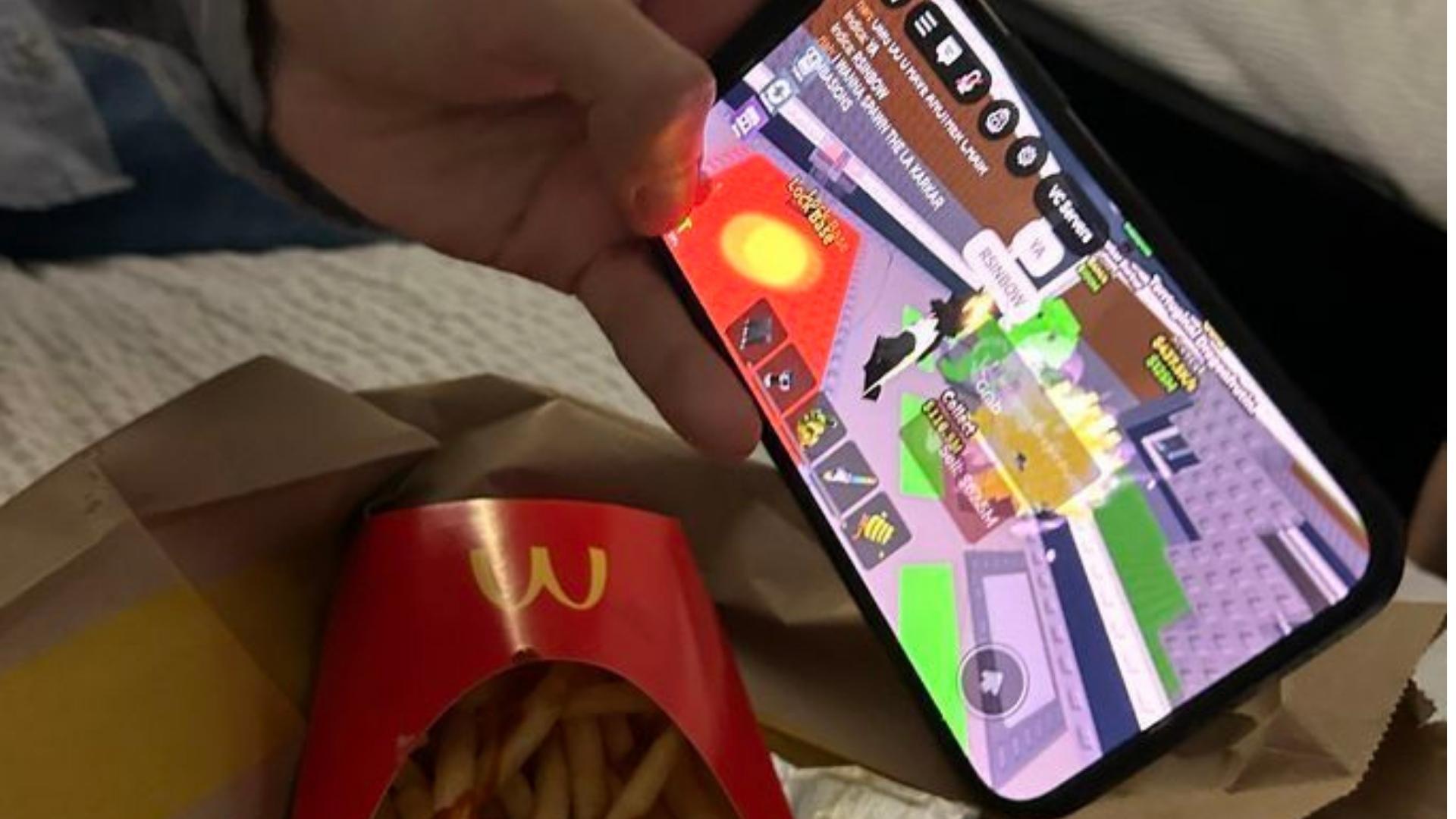
The mobile gaming sector has evolved from simple on-the-go entertainment into a primary driver of global interactive media innovation. In 2026, breakthroughs in mobile hardware architecture and sophisticated live-service models allow portable titles to establish industry-wide standards that traditional consoles quickly adopt. Understanding how these pocket-sized experiences continuously redefine player expectations reveals a highly dynamic digital ecosystem.
The Transition to True Platform Convergence
For years, mobile gaming was viewed as entirely separate from desktop environments due to obvious constraints in processing power and screen sizes. Today, highly optimized graphics pipelines and unified cross-play systems allow smartphones to deliver experiences structurally identical to home setups. This technological leap means developers can maintain massive, singular player networks without fracturing communities across hardware boundaries.
Furthermore, cloud streaming solutions have matured to the point where heavy local rendering is no longer a strict requirement for a high-end experience. Players can effortlessly jump from a brief session on their commute to a deeper engagement at home while preserving complete gameplay synchronization. This fluid movement across digital spaces is fundamentally altering how game studios conceptualize long-term user interaction.
Live-Service Ecosystems and Player Engagement
Modern mobile development has perfected the art of sustainable monetization combined with authentic long-term community support. Instead of depending entirely on single upfront purchases, successful titles design modular content cycles that introduce fresh gameplay mechanics every few months. This reliable structural model guarantees that digital spaces stay vibrant, competitive, and continuously appealing to both old and new communities.
Achieving this consistent level of engagement requires a highly stable network backend that minimizes latency during real-time multiplayer interactions. Many enthusiasts keep a close eye on reliable platform upgrades and explore specialized portals like m88 alternatif to discover optimized connectivity tips for connected environments. Choosing infrastructure that respects the active player base remains vital for any multiplayer project aiming for years of cultural relevance.
Societal and Cultural Impact of Portable Titles
The widespread distribution of smartphones has successfully democratized access to complex interactive entertainment for millions of global citizens. As a result, virtual neighborhoods have blossomed within games, fostering deep collaborative connections that frequently extend far beyond the touchscreens themselves. These common digital spaces have successfully transformed localized subcultures into genuine worldwide phenomena.
Additionally, modern developers focus heavily on inclusive touch design and intuitive onboarding interfaces to eliminate steep traditional learning curves. This proactive design philosophy ensures that complex tactical frameworks or sprawling narrative role-playing systems remain accessible to diverse demographics. By prioritizing immediate approachability alongside professional gameplay loops, the mobile sector continues to expand the total size of the global gaming audience.